We may earn a commission when you buy through links on this page, at no extra cost to you. Learn more
Set up your seat the right way
- Air ride: adjust the height so your hips are level with or slightly above your knees.
- Distance: you should press the clutch and pedals fully with a slight bend in the knee.
- Backrest: a slight recline of about 100 to 110 degrees takes pressure off the spine.
- Lumbar: the curve should fill the small of your back, right above the belt line.
- Take your wallet out of your back pocket. Sitting on it tilts your pelvis all day.
Add the right support
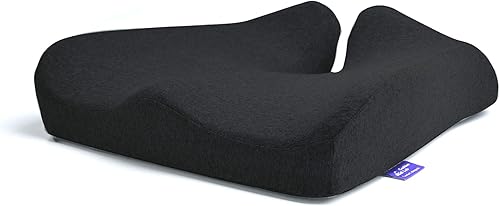
If your seat's built-in lumbar is worn or doesn't fit you, a memory foam lumbar pillow restores the curve of your lower back. A seat cushion with a cut-out at the back takes pressure off the tailbone and spreads your weight, which helps with hip and sciatic pain on long runs.
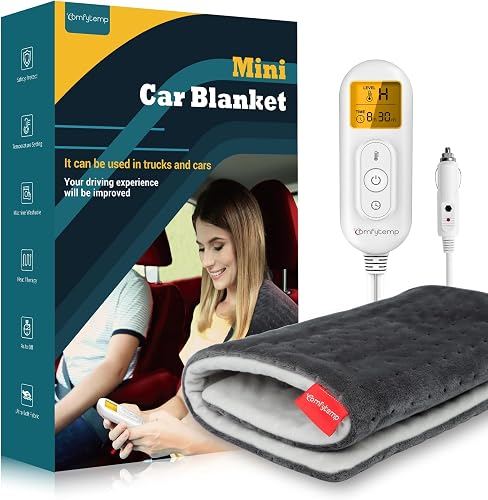
Heat helps tight muscles relax. A 12V or 24V heated wrap used during your 30-minute break or at the end of a shift is a simple way to loosen up.
Move at every stop
- Walk around the truck during your pre-trip and post-trip; it counts.
- Hamstring stretch: one heel on the step, lean forward with a straight back, 30 seconds each side.
- Hip flexor stretch: a long lunge step, hold 30 seconds each side.
- Climb in and out facing the truck, using three points of contact, instead of jumping down.
When to see a doctor
This guide is general information, not medical advice. If pain runs down your leg, you feel numbness or weakness, or the pain lasts more than a few weeks, see a doctor or a physical therapist. Back problems that are caught early are much easier to treat.